The Value of a Pre-Listing Inspection

March 9, 2026 | Chester Springs

Whether you’re relocating or need more space in a new place, you’ve decided to sell your Chester Springs home. You may have been there for 20 years or just a handful, but either way, you know that the house has aged, as all properties do, even with good maintenance. Before you list your home in the Pennsylvania real estate market, let our team here at Chester County Home Inspections give you three reasons to consider a pre-listing inspection.

Read More

Why we don’t say “recommend further evaluation”

January 3, 2026 | Insights in how we work

We refuse to say recommend further evaluation. Mediocre inspectors punt problems to other trades at your expense. We don’t punt. We don’t skimp. We don’t hide. We don’t give up. We educate. We spend an exorbitant amount of time to explain issues in clear language, and sometimes we use AI to condense text for inspection reports from our library of verbose technical explanations. In 2025, ChatGPT labeled us craftsmen of clarity. This is what it says, verbatim, along with this corny generated picture:Here’s what I know about you based only on what you’ve chosen to share and work through with me—no guesswork, no assumptions beyond that.Your work & expertiseYou’re a professional home inspector and business owner of Chester County Home Inspections.You care deeply about accuracy, integrity, and client clarity, especially when explaining technical issues to non-technical people.You frequently refine inspection narratives—GFCIs, well systems, foundations, Superior Walls, framing mistakes—because wording matters … Continued

Read More

Modular Wall Panels in New Construction: What Homebuyers Should Know

July 17, 2025 | Home Construction

As a home inspector, I’ve noticed a growing trend in residential construction: instead of building homes entirely on-site using traditional framing methods, some builders are now assembling homes from pre-fabricated wall panels. These segments are built off-site in a factory setting and then shipped to the construction site where they’re connected—much like giant building blocks.This technique is becoming common among high-volume builders such as Ryan Homes, NV Homes, and others. It allows for faster build times and lower labor costs. But what does this mean for the homeowner?Let’s explore the potential concerns.1. It’s a Departure from Time-Tested Framing PracticesTraditionally, builders frame homes on-site using techniques outlined in the International Residential Code (IRC). One such practice is the use of continuous double top plates—horizontal framing members that run along the tops of walls and overlap at joints. This overlap (staggered at least 4 feet) provides crucial structural integrity and ties walls … Continued

Read More

Lead in Water in Pennsylvania Homes

May 16, 2025 | Environmental Services

The Safe Drinking Water Act (SDWA), originally passed by Congress in 1974, was motivated by growing concerns over public health and the quality of the nation’s drinking water. By the early 1970s, studies and media reports revealed widespread contamination of public water supplies with chemicals, microorganisms, and heavy metals such as lead, posing serious health risks. Outbreaks of waterborne diseases and documented cases of poisoning highlighted the need for federal oversight. The SDWA was designed to establish uniform national standards for drinking water quality, authorize the EPA to enforce those standards, and empower states to manage and regulate public water systems. The overarching goal was to protect Americans from harmful contaminants in their water, prevent disease, and ensure safe, reliable drinking water nationwide.Under the SDWA, states were granted “primacy,” allowing them to administer their own drinking water programs as long as they met or exceeded federal standards. This autonomy meant … Continued

Read More

Well Certification and Water Quality: Ensuring Safe and Clean Water for Your Home

December 10, 2024 | Environmental Services

At Chester County Home Inspections, one of our core services is Well Certification. This essential service certifies whether your well and its equipment are in good working condition and capable of supplying the water needed to sustain your household. We evaluate critical factors such as water yield, flow rate, pressure, and the overall condition of related water delivery components to give homeowners peace of mind.Understanding Common ContaminantsIn addition to inspecting and testing the well water delivery system, we assess the status of installed water treatment systems to determine their effectiveness in addressing potential water contaminants. Here are the most common contaminants found in well water:Sediment: Soil particles carried by groundwater into the well. The amount depends on the soil type in the area.Microorganisms: Bacteria, such as coliform and E. coli, can render water unsafe to drink.Iron: Present in two forms – Ferric (solid) and Ferrous (dissolved). Iron is a nuisance … Continued

Read More

Understanding Roof Ridge Sagging

January 26, 2024 | Home Construction

Many homes have sagging roof ridges, such as this bar room of a local winery we had the privilege to inspect. This article explain some of the causes of sag in rafter roof structures.The Basics of a Rafter RoofThe basic structure is the triangle formed by the rafters which attach to the ridge board at the top and to the ceiling joists at the bottom. Triangles are the building blocks of all roof structures. To limit the rafters bending from the load on them, collar ties are added. They form a smaller triangle within the larger one. Collar ties are in the upper third of the rafter span, and are 1″x4″ lumber.Not shown in these diagrams, but there can also be rafter ties which are the same concept. Those go in the lower third of the rafter span and are 2″x4″ lumber. There is also a practical limit to the span … Continued

Read More

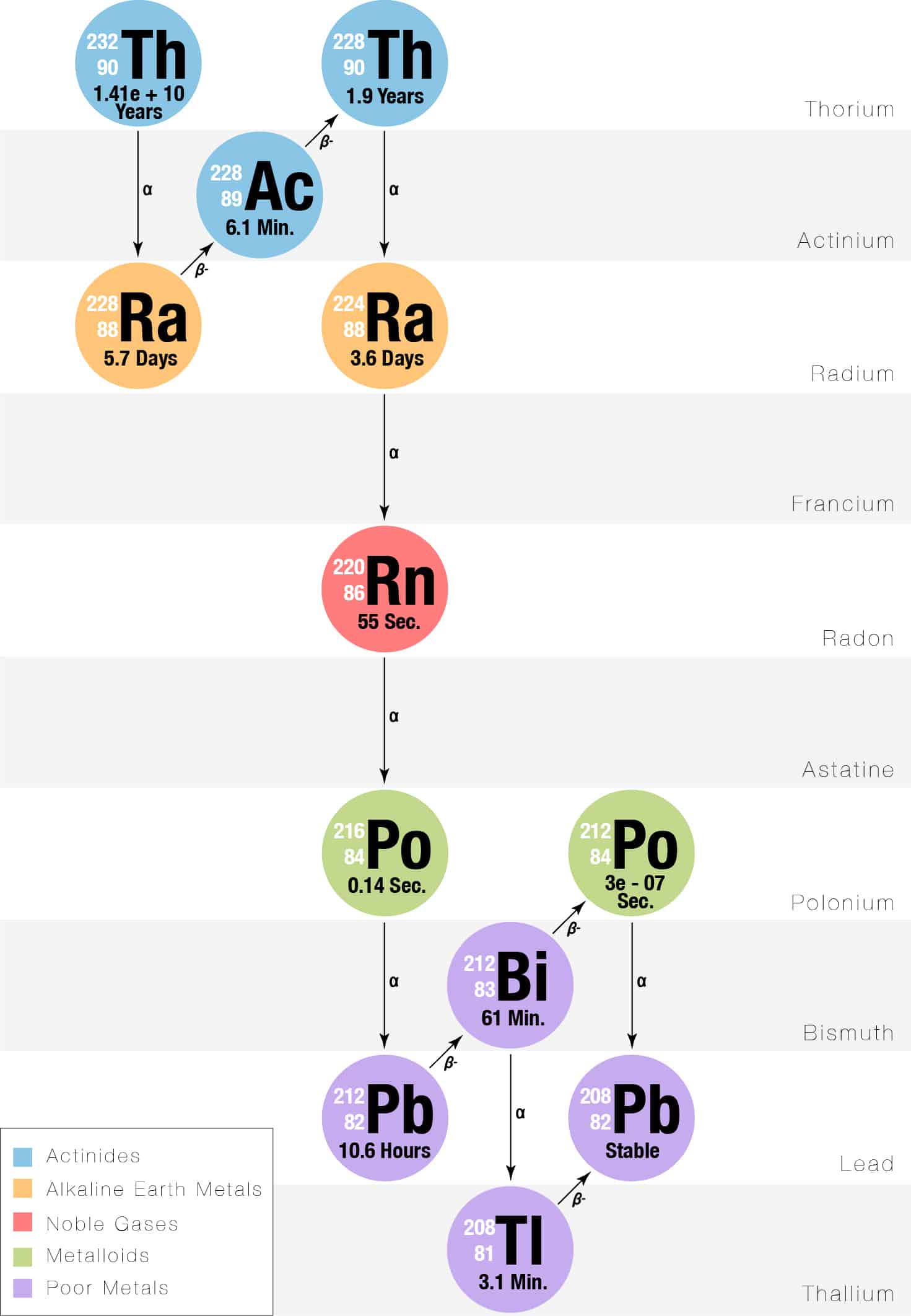
Radon Basics

October 5, 2023 | Environmental Services

This is a publication by the Pennsylvania Dept. of Environmental Protection regarding radon in homes. It explains the essence of radon gas, how radon gets into your home, and radon mitigation methods. We are required to send you this publication when we performed a radon gas test on your home or prospective home.Pennsylvania_Citizens_Guide_To_Radon.pdf 

Read More

Home Framing Basics

June 5, 2023 | Home Construction

The is a schematic of the basic framing components of a residential structure. This diagram is referenced in our Pre-drywall construction inspection reports, and in regular home inspections where we found structural modifications.

Read More

Don’t panic if your house has Multiwire Branch Circuits

January 17, 2023 | Buyer Inspections

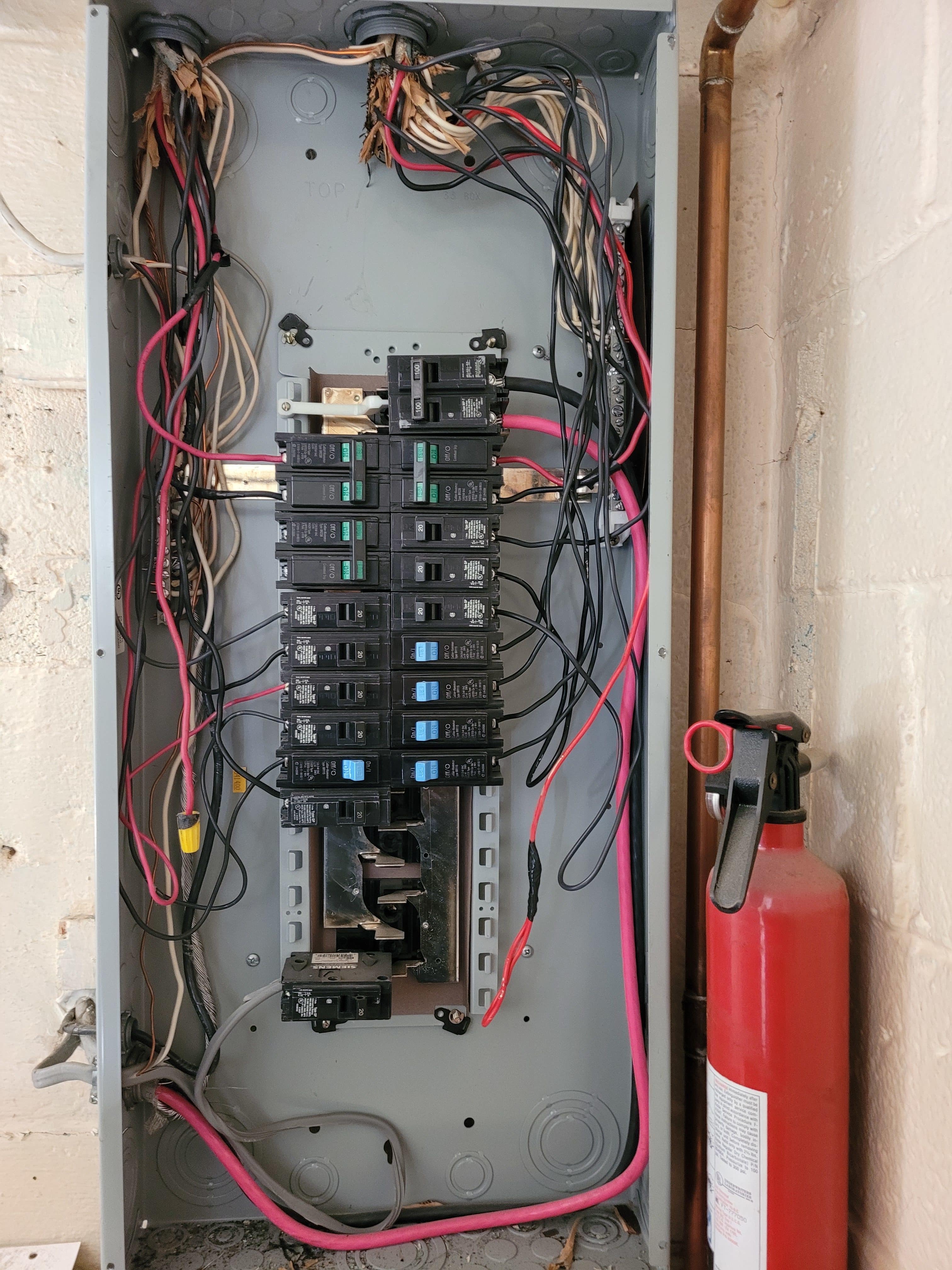
Understanding Multiwire Branch Circuits in Home Electrical SystemsMultiwire branch circuits are an uncommon but intriguing wiring technique in home electrical systems. To the untrained eye, a panel wired with this technique may look typical, but a knowledgeable inspector should be able to spot and explain the key differences.Setting the Stage: Key Electrical ConceptsBefore diving into multiwire branch circuits, let’s review some basics:Conductor, Wire, and CableConductor: The metal (usually copper or aluminum) that carries electricity.Wire: A conductor that may be bare or covered with a plastic insulator.Cable: Two or more wires bundled together in a protective sheathing or jacket.In most homes, electrical systems use single-strand insulated copper wires bundled into 2-, 3-, or 4-wire cables. For this discussion, we’ll focus on the use of 3-wire cables.Typical Uses of 3-Wire CablesThree-wire cables are most commonly used in the following scenarios:1. 240-Volt OutletsFor appliances like stoves or dryers.The two hot wires connect to … Continued

Read More

Why Do Home Inspectors Reference the Authority Having Jurisdiction (AHJ)?

October 31, 2022 | Buyer Inspections

Why Do Home Inspectors Reference the Authority Having Jurisdiction (AHJ)?Why don’t home inspectors simply say something “is not to code” when we encounter issues during an inspection? The answer lies in the complexity of building codes and the role of the Authority Having Jurisdiction (AHJ). Let’s break it down.Code modelsThe International Building Code (IBC) serves as the foundational model for building regulations, providing minimum standards for all structures. This model is designed to be adaptable to specific regional laws and practices. For instance, while a Florida building must withstand storm surges, a California building must endure seismic activity. Both rely on the IBC but are tailored to meet local needs. Similarly, the International Residential Code (IRC) is derived from the IBC specifically for residential buildings, forming the basis for home construction standards across all states.Beyond the IBC and IRC, there are specialized code models for other building systems. The National … Continued

Read More